Vacation Reset: Why Stepping Away is Your Best Strategy

I recently spent five days in Arizona for my daughter’s spring break. This trip had been on the calendar for months, but as often happens in the life of a solopreneur, a last-minute engagement that needed significant preparation popped up right before I left.
In the past, I know exactly what I would have done. The laptop would have come out at my cousin’s house. I would have spent my evenings hunched over a keyboard while my family was laughing and talking nearby, my work competing directly with my ability to be present. I used to think that pushing through was the only way to deliver high-impact results.
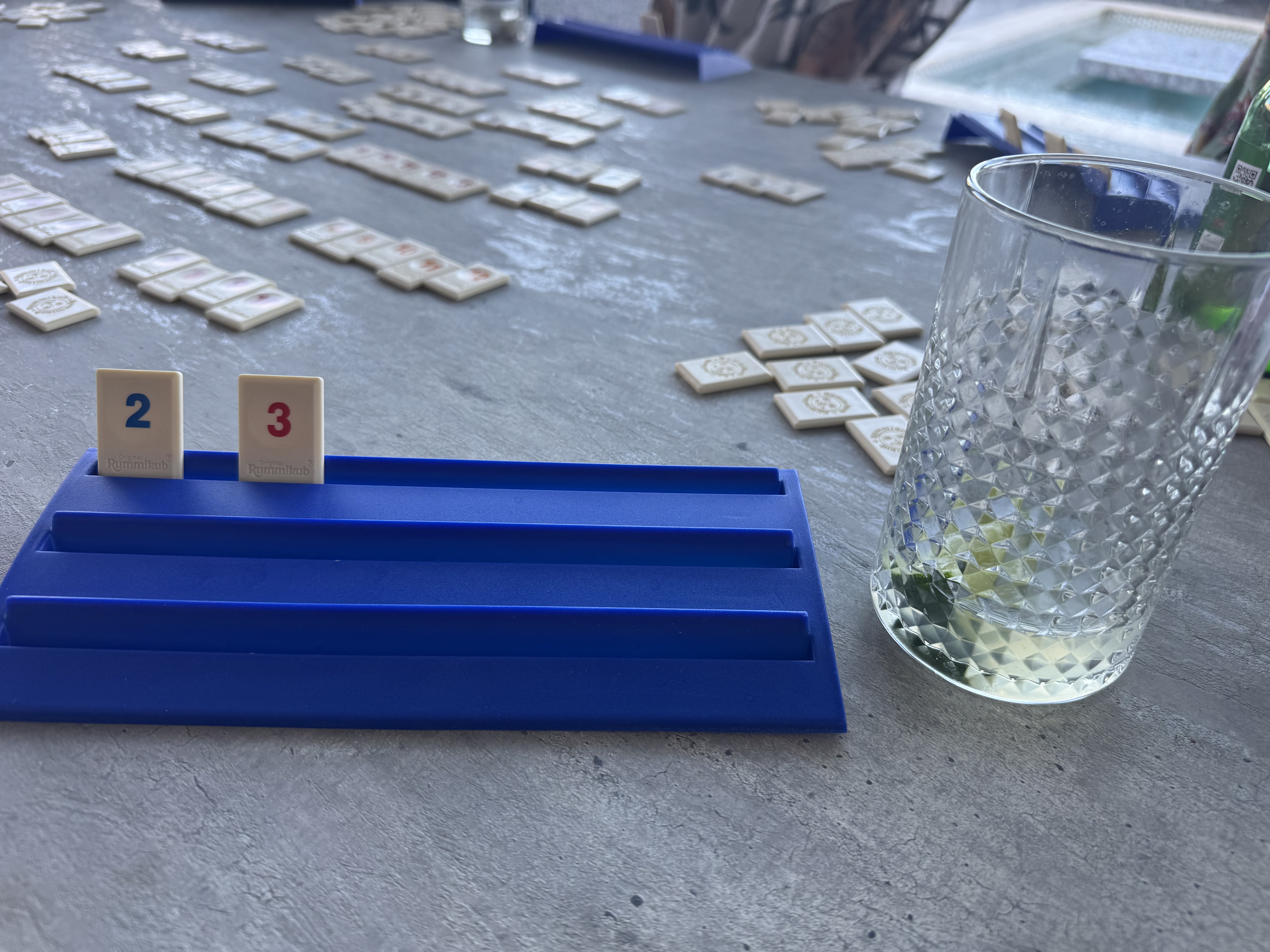
But this time, I chose presence and left the laptop in my backpack. I chose the jeep tour through the red rocks of Sedona and long, wandering walks. I chose hanging by the pool eating takeout and playing Rummikub, a game my cousins and I grew up playing. I even lost track of my phone multiple times because I left it on the kitchen island, a huge shift for someone who usually has it in her pocket or constantly by her side.

The Power of "Intentionally Having No Intention"
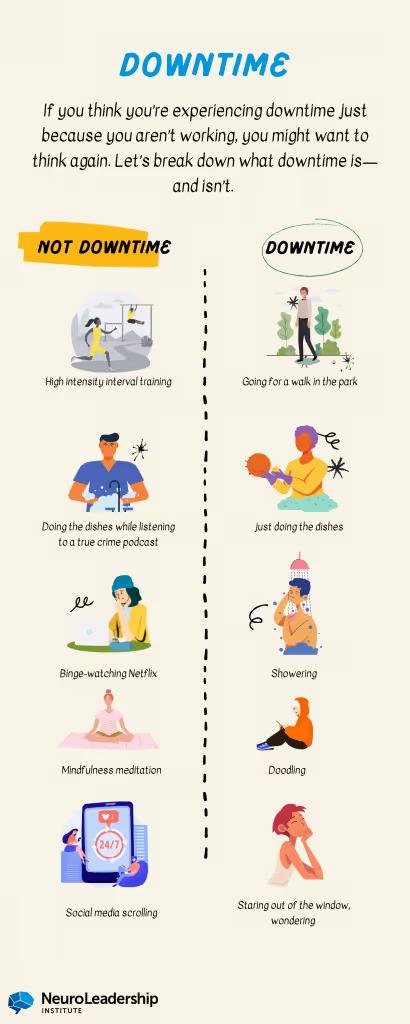
Choosing those moments with my family was more than just fun. While active play and exploring the red rocks are vital for connection and physical health, they actually served as a necessary bridge to a high-level practice that the NeuroLeadership Institute (NLI) calls Downtime
We often get this concept wrong. We think we are resting when we are sitting on the couch watching TV while scrolling through social media, or even on a walk while listening to a podcast. But because our brains are still actively processing a bombardment of information, they never actually get a break. True downtime is the specific act of intentionally having no intention. It is activity through inactivity—doing nothing specific or preplanned with a preset agenda.
There is a real distinction between types of "rest." While I loved being at the baseball game, it didn't actually qualify as downtime because it required focused attention on the play. True downtime was the time I spent laying by the pool, staring at the clouds with no goal in mind.
Think about those "A-ha!" moments you get in a long shower. They happen because your brain is finally at rest, which allows it to start a natural process of integration—the linkage of differentiated parts of our mental lives that were previously scattered.
I was a little worried about having to cram a lot of work into a short amount of time after my return. But if I had stayed on my laptop while my family was talking nearby, my thinking would have been restricted to surface-level details. Would I have even accomplished much work since my attention was divided? By delaying my work, I was giving my brain the incubation time it needed to work on the problem nonconsciously. Research shows that this "unconscious thought" often produces better decisions than conscious, logical analysis when facing complex problems.
Re-engaging with Clarity
By prioritizing that reset, I did not return to Charlottesville behind. I returned refreshed and ready, with some new ideas. The break did not take away from my work; it served as the necessary "juice" for my creativity to return. It helped me re-engage with my planning more effectively the moment I got home.
I see so many leaders who feel they can never truly step away. We often believe that being "on" 24/7 is a badge of productivity, but the cost is high. Without sufficient rest, attention fades and we become mentally exhausted, which often shows up as irritability or a lack of creativity.
Regular breaks are not a luxury; they are a biological requirement to keep our minds alert and creative. Sometimes the most strategic thing you can do for yourself and your team is to put down the laptop, take a real break from work, and do exactly what replenishes you.